Introduction: The Stakes of Infrastructure Security
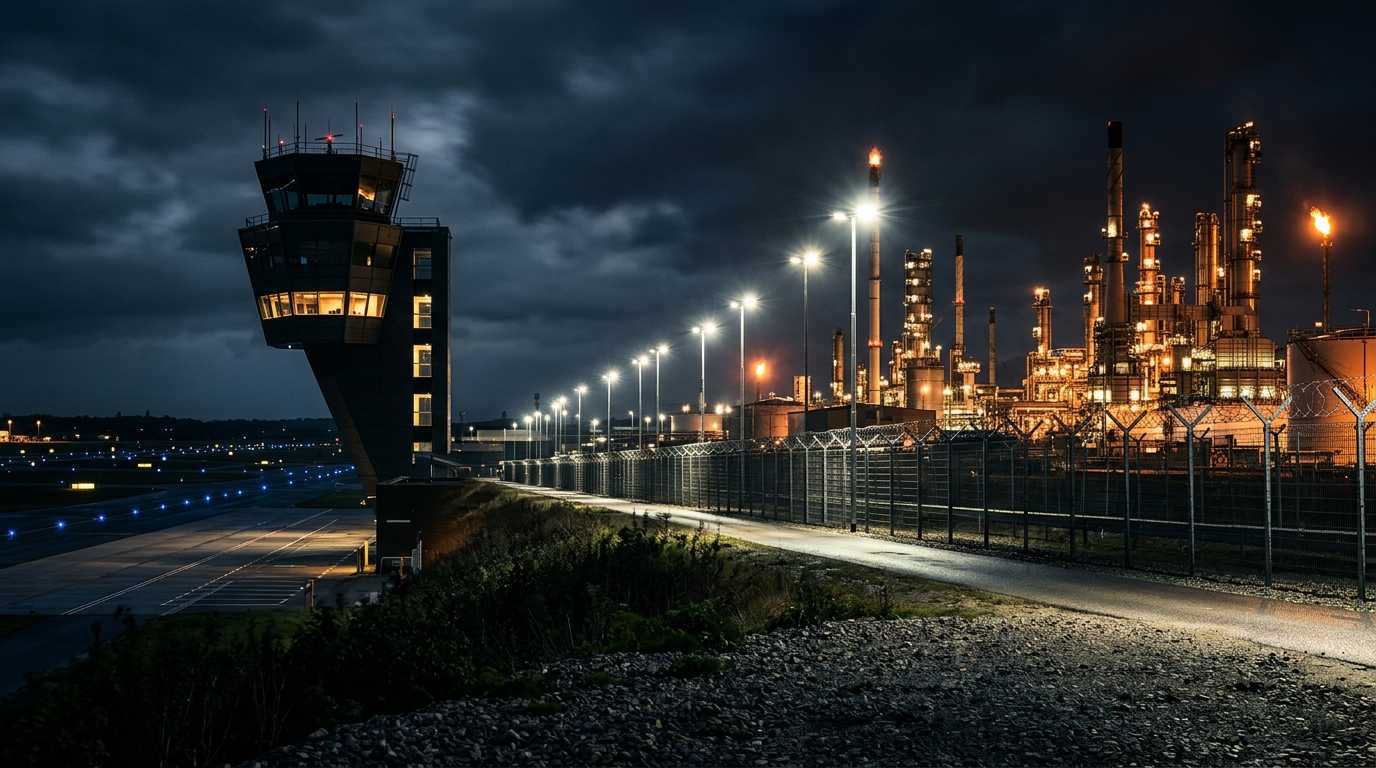
Airports and energy production facilities stand among the most consequential assets in any nation's infrastructure portfolio. An international airport is simultaneously a transportation hub, an economic engine, a point of national prestige, and a potential mass-casualty target. Energy facilities, from oil refineries and gas processing plants to power generation stations and offshore platforms, underpin the economic stability and daily functioning of entire nations. The disruption of either category of infrastructure carries cascading consequences that extend far beyond the physical boundaries of the facility itself.
The threat landscape confronting these critical assets has evolved significantly in recent years. Traditional concerns around physical intrusion and vehicle-borne threats have been compounded by the emergence of unmanned aerial systems as both surveillance tools and potential attack vectors. Cyber-physical attacks targeting industrial control systems add another dimension of vulnerability. Insider threats, whether motivated by ideology, coercion, or financial incentive, remain a persistent concern that technology alone cannot fully address.
For nations across the GCC and Africa, where energy production forms the bedrock of national economies and aviation infrastructure is expanding rapidly to support economic diversification, the imperative to protect these assets is acute. The security architectures required are not simple perimeter fences and guard forces; they are sophisticated, multi-layered systems that integrate detection, assessment, and response capabilities across physical, electronic, and aerial domains.
Understanding the Threat Categories
Effective infrastructure protection begins with a thorough understanding of the threats that each type of facility faces. While airports and energy installations share certain vulnerability profiles, each also presents unique challenges that require tailored security approaches.
Unauthorized Drone Intrusions
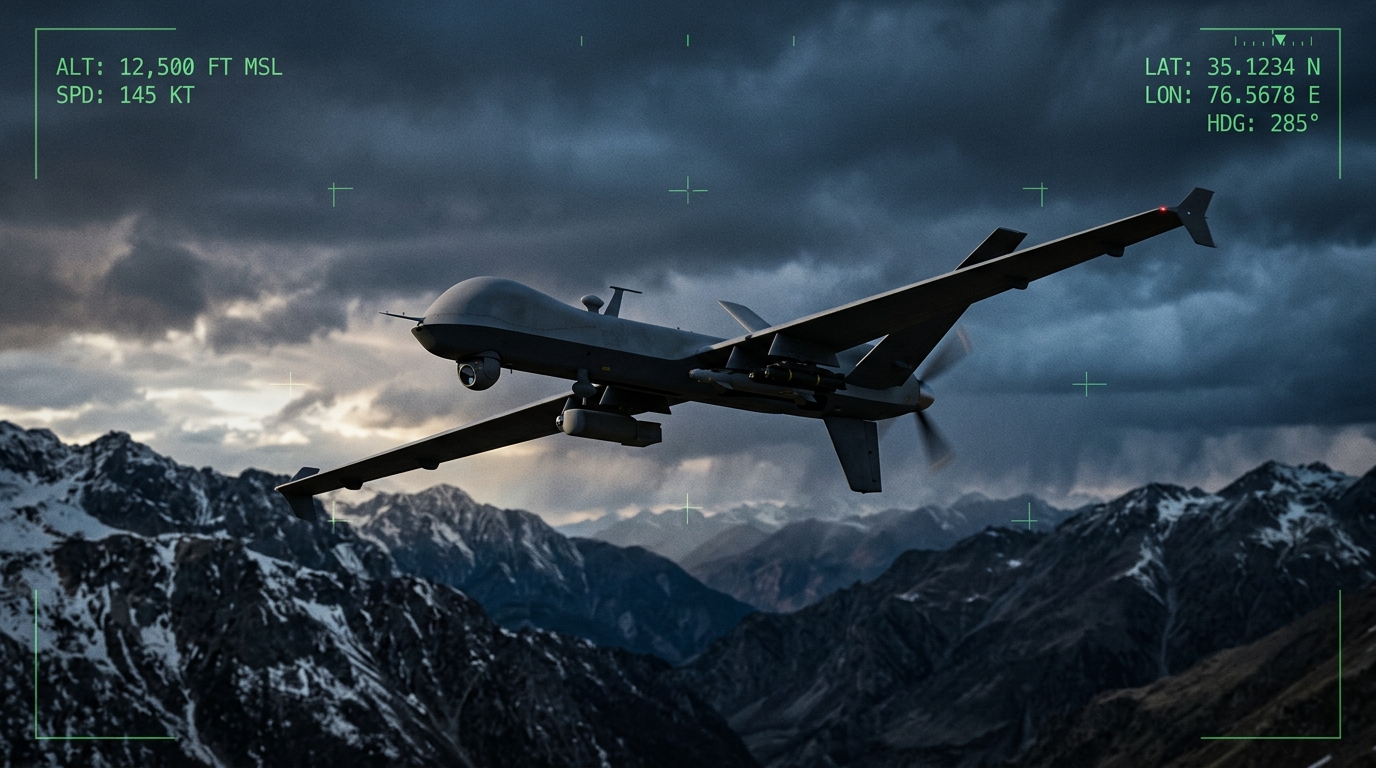
The proliferation of commercially available drones has created an entirely new threat vector for critical infrastructure. Airports are particularly vulnerable, as even a single unauthorized drone in the vicinity of active runways can force a complete shutdown of flight operations, causing millions in economic losses and disrupting the travel of thousands of passengers. Beyond operational disruption, drones can be weaponized to carry explosive payloads, conduct reconnaissance for subsequent attacks, or deliver contraband. Energy facilities face similar risks, with drones capable of surveilling security arrangements, identifying vulnerabilities in refinery complexes, and potentially delivering incendiary devices to highly combustible environments.
Physical Intrusion and Perimeter Breach
Despite advances in technology, physical intrusion remains a fundamental threat to critical infrastructure. Airports present extensive perimeters, often spanning dozens of kilometers, that must be continuously monitored and secured. Energy facilities, particularly pipeline networks and offshore platforms, present dispersed perimeters that are challenging to patrol with personnel alone. Sophisticated adversaries may employ a combination of surveillance, timing analysis, and physical tools to defeat perimeter barriers, making static defenses insufficient without complementary detection and response systems.
Insider Threats
Personnel with authorized access to secure areas of airports and energy facilities represent a unique category of risk. Insider threats may involve the theft of sensitive information, the introduction of prohibited items, sabotage of critical systems, or facilitation of external attackers. Addressing insider threats requires a combination of personnel security programs, behavioral monitoring, access control segmentation, and a security culture that encourages reporting of anomalous behavior.
Cyber-Physical Attacks
Modern airports and energy facilities rely heavily on networked industrial control systems, supervisory control and data acquisition (SCADA) platforms, and interconnected operational technology. Attacks targeting these systems can disrupt operations, cause physical damage, or create safety hazards without any adversary physically entering the facility. The convergence of information technology and operational technology has expanded the attack surface, requiring security architectures that address digital threats with the same rigor as physical ones.
Airport Protection Architectures
Securing an airport requires a security architecture that protects the airspace above the facility, the perimeter around it, the terminals and operational areas within it, and the supply chains that flow through it, all while maintaining the throughput and passenger experience that the facility exists to provide.
Airspace Monitoring and Drone Defense
The airspace around an airport is its most sensitive security domain. Authorized aircraft operate within strictly defined approach and departure corridors, and any unauthorized object in this airspace represents an immediate safety and security concern. Modern airport drone defense systems employ layered detection using radar, radio frequency sensors, and electro-optical cameras to identify, classify, and track unauthorized aerial objects. When a drone is detected, the system must rapidly determine whether it represents a genuine threat or an inadvertent incursion by a recreational operator, then initiate an appropriate response ranging from electronic countermeasures to physical interdiction.
The challenge of airport drone defense is compounded by the need to avoid disrupting legitimate aviation operations. Electronic countermeasures must be precisely directed to avoid interfering with aircraft navigation and communication systems. Response protocols must be coordinated with air traffic control in real time to ensure that defensive actions do not create secondary aviation safety hazards.
Perimeter and Terminal Security
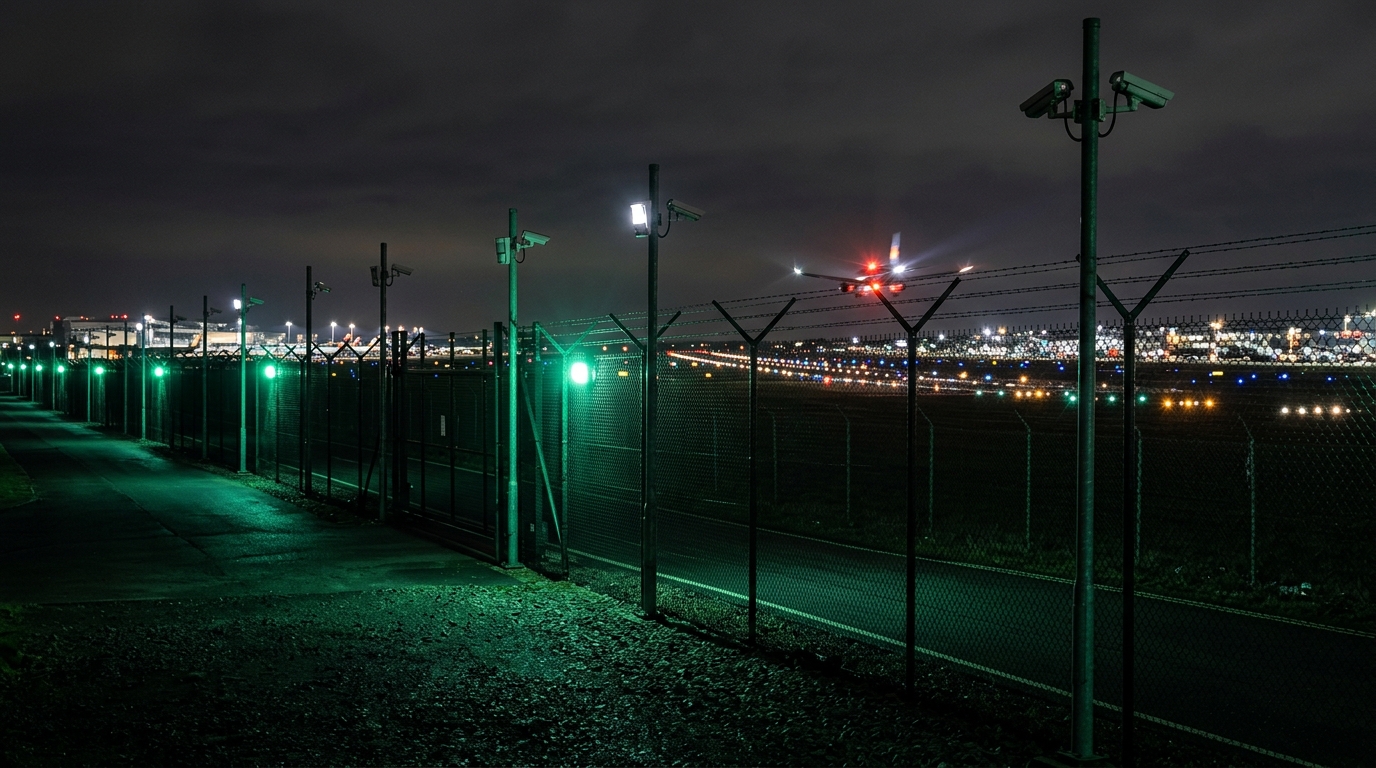
Airport perimeters are typically secured through a combination of physical barriers, surveillance cameras, intrusion detection sensors, and access control systems. Modern perimeter security integrates these elements into a unified management platform that correlates alarms from multiple sensor types, reducing false alarm rates and enabling security personnel to assess and respond to genuine intrusions more effectively.
Terminal security extends beyond the familiar passenger screening checkpoints to encompass cargo and baggage screening, vehicle access control at terminal approaches, and surveillance of public and restricted areas. Advanced video analytics can detect abandoned items, loitering behavior, and unauthorized access attempts, generating automated alerts that direct security attention where it is most needed.
Runway Safety Zones and Operational Areas
The operational heart of an airport, its runways, taxiways, and apron areas, requires security measures that protect against intrusion while accommodating the constant movement of aircraft, ground vehicles, and personnel. Foreign object debris detection systems protect runways from objects that could damage aircraft engines or tires. Perimeter intrusion detection along runway fencing identifies breaches that could allow unauthorized access to the most operationally sensitive areas. Ground surveillance radar can detect vehicles or personnel moving in unauthorized areas, particularly during low-visibility conditions.
Energy Facility Protection
Energy facilities present distinct security challenges shaped by the nature of the materials being processed, the distributed geography of energy infrastructure, and the potentially catastrophic consequences of a successful attack.
Pipeline Surveillance and Protection
Oil and gas pipeline networks extend across hundreds or thousands of kilometers, traversing remote and often inhospitable terrain. Protecting these linear assets requires a combination of aerial surveillance using UAVs and manned aircraft, ground-based sensor systems at critical points such as pumping stations and valve assemblies, and fiber-optic distributed sensing technologies that can detect unauthorized excavation or vibration along the pipeline route. The challenge is not merely detecting threats but doing so across vast distances with sufficient speed and accuracy to enable an effective response before damage occurs.
Refinery and Processing Plant Security
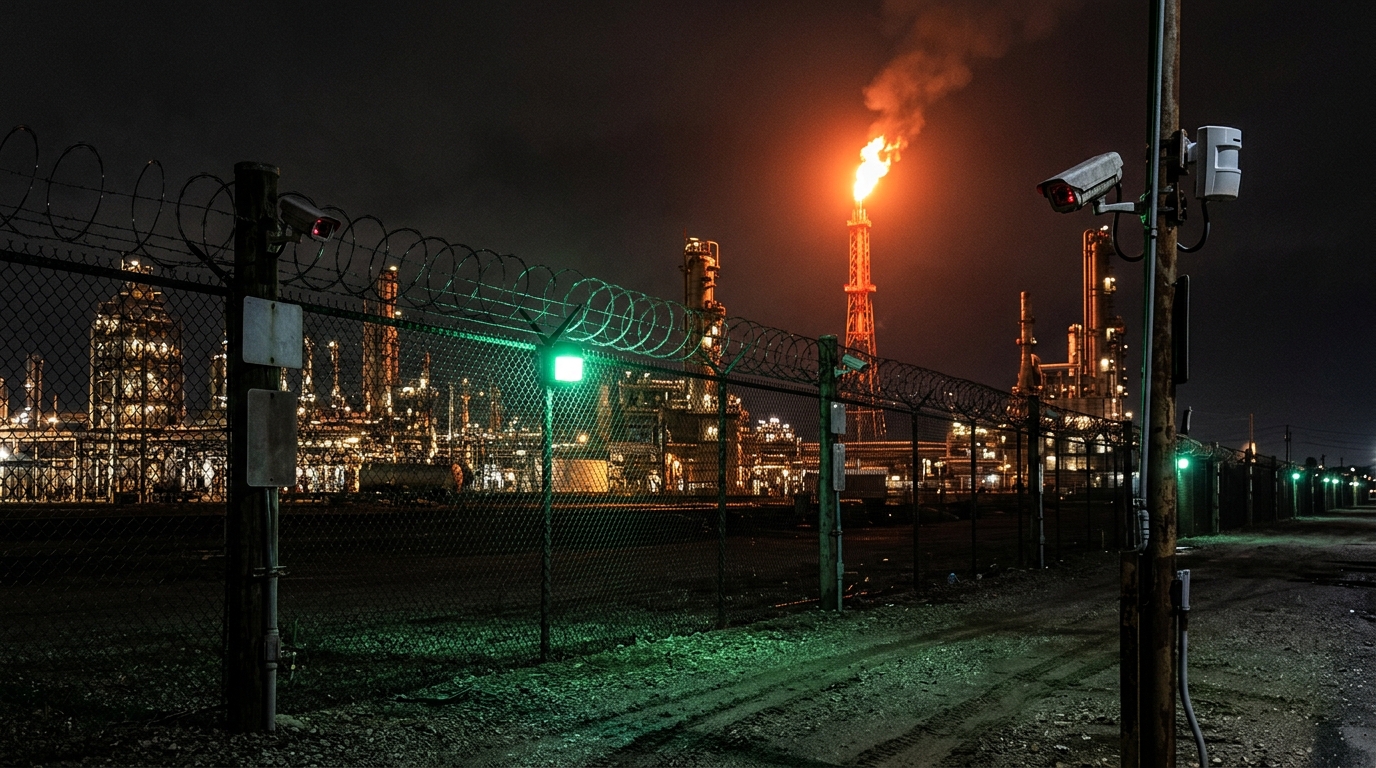
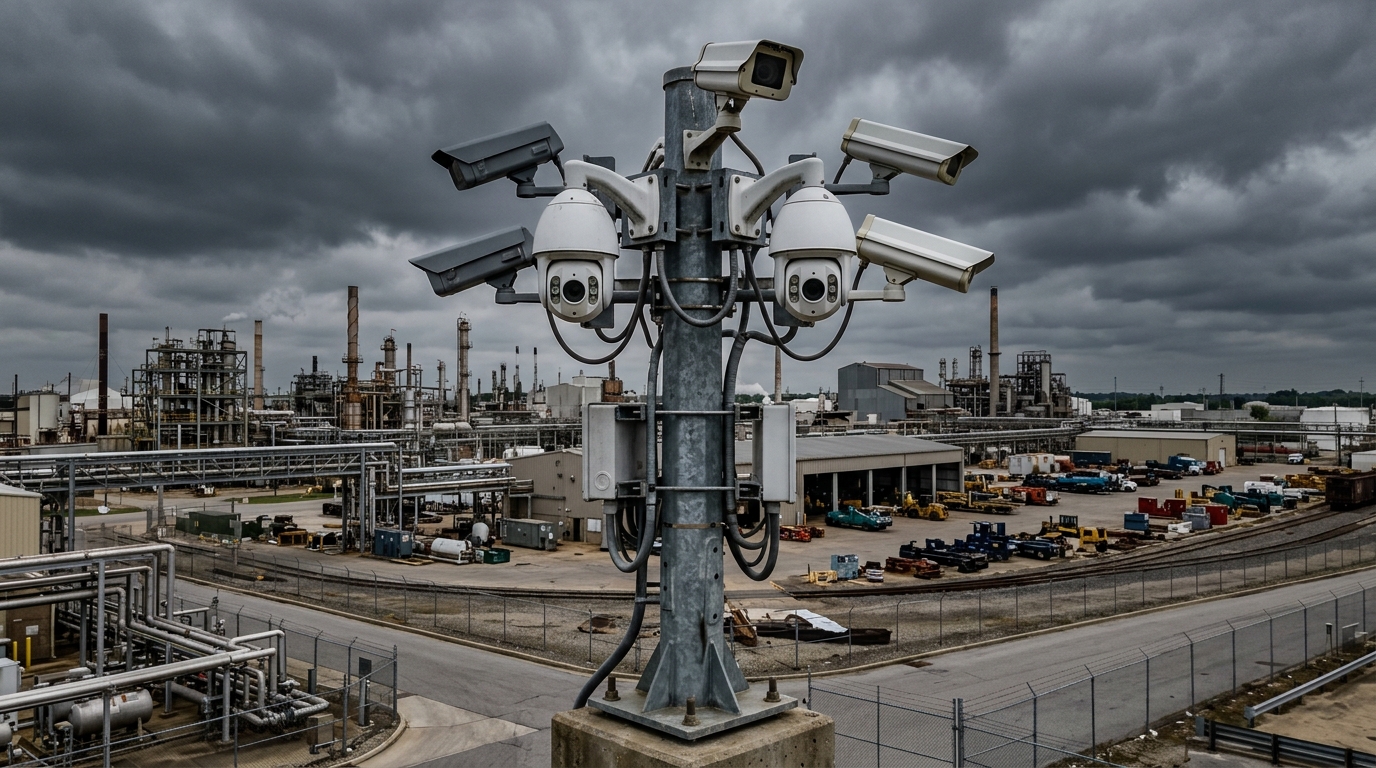
Refineries and processing plants are dense, complex environments where security measures must coexist with continuous industrial operations. Perimeter security typically involves multiple fence lines equipped with intrusion detection sensors, complemented by thermal and visible-light cameras providing continuous coverage. Within the facility, access control systems segment the site into zones of increasing sensitivity, ensuring that personnel can access only the areas relevant to their roles. Gas and fire detection systems provide early warning of both accidental and deliberate releases, enabling rapid evacuation and emergency response.
Offshore Platform Security
Offshore oil and gas platforms present unique security challenges due to their isolation, limited access points, and the marine environment in which they operate. Security measures include vessel approach monitoring using radar and AIS tracking, underwater surveillance for subsurface threats, helicopter and boat access control procedures, and comprehensive CCTV coverage of the platform structure. The limited number of personnel on a platform at any given time means that security technology must compensate for the inability to maintain large guard forces in these remote locations.
Tank Farm and Storage Facility Protection
Storage facilities for petroleum products, liquefied natural gas, and chemical feedstocks represent concentrated repositories of value and hazard. Security architectures for these facilities focus on perimeter detection, vehicle barriers to prevent vehicle-borne attacks, aerial surveillance for drone threats, and environmental monitoring for unauthorized discharges. The proximity of large volumes of combustible materials makes fire detection and suppression integration an essential component of the overall security architecture.
Detection Layers and Sensor Integration
Effective critical infrastructure protection depends on layered detection systems where multiple sensor technologies provide overlapping coverage, ensuring that no single point of failure can compromise the entire security posture.
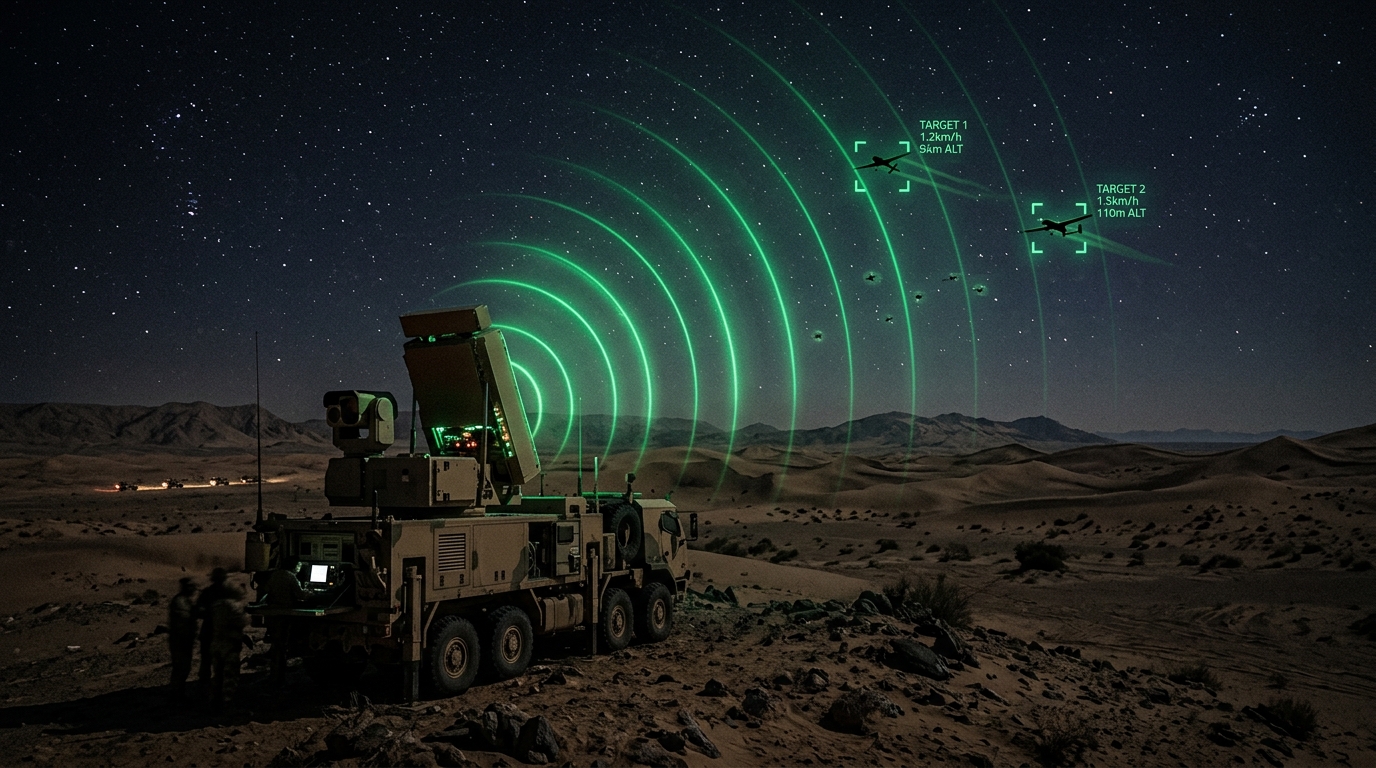
Radar Systems: Ground-based surveillance radar provides wide-area detection of both aerial and ground-based threats. For airport protection, specialized drone detection radar can identify small, slow-moving objects that conventional aviation radar may not register. For energy facilities, perimeter surveillance radar detects movement across open areas surrounding the facility.
Radio Frequency Sensors: RF detection systems identify the communication links between drones and their operators, providing early warning of drone activity and the potential to geolocate the operator. In the context of infrastructure protection, RF sensing provides a complementary detection layer to radar, with each technology covering gaps in the other's capability.
Camera Analytics: Modern surveillance cameras equipped with video analytics software can autonomously detect and classify objects, track movement, identify behavioral anomalies, and generate automated alerts. Thermal cameras extend this capability to nighttime and adverse weather conditions. The integration of AI-driven analytics is steadily reducing the burden on human operators while improving detection accuracy.
Access Control Systems: Multi-factor authentication, biometric verification, and real-time credential validation ensure that only authorized personnel enter restricted areas. Modern access control platforms log all movements, enabling post-incident analysis and real-time monitoring of personnel locations within the facility.
Fence Detection Systems: Vibration sensors, taut-wire systems, and fiber-optic fence monitoring detect cutting, climbing, or displacement of perimeter barriers. When integrated with nearby cameras, these systems enable immediate visual assessment of any perimeter alarm, reducing response times and false alarm rates.
Command Integration and Unified Security Operations
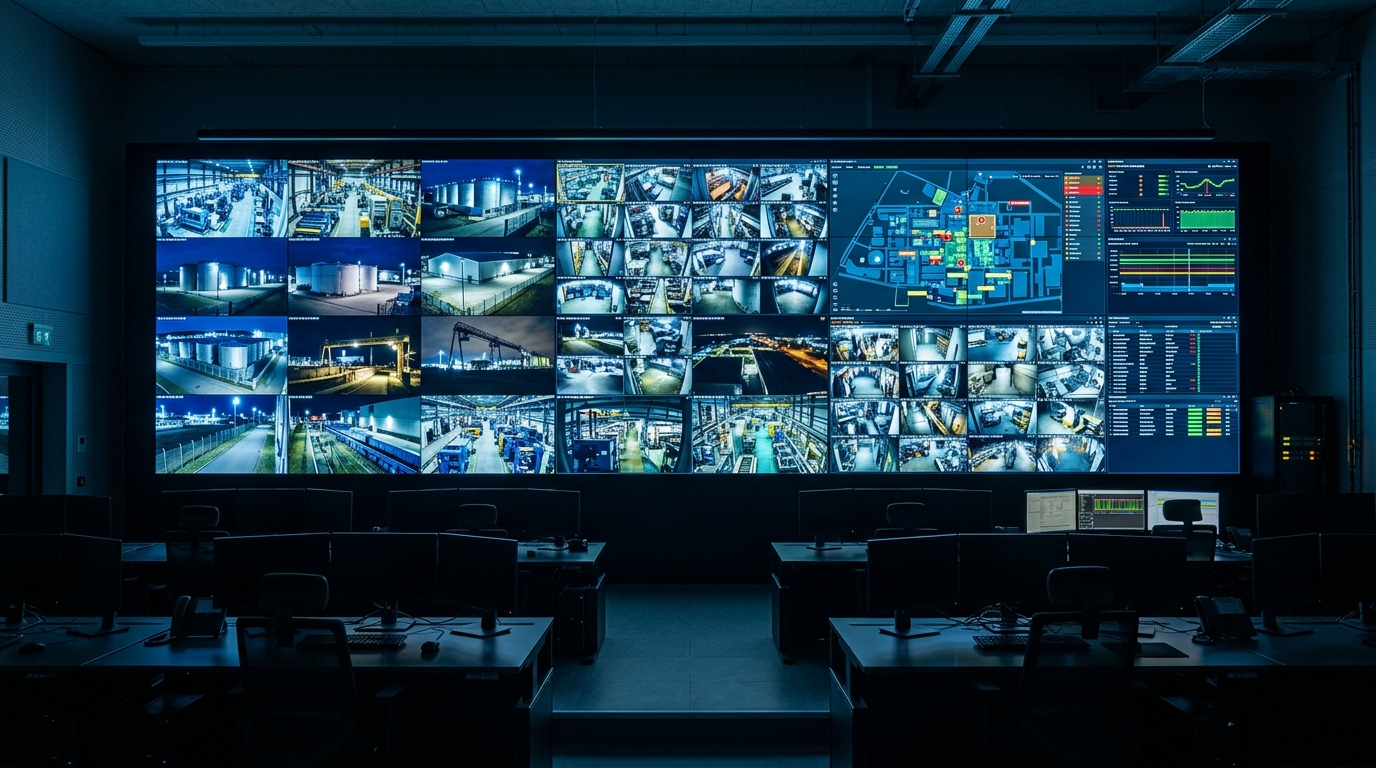
The most sophisticated sensors and detection systems are only as effective as the command architecture that integrates them. A unified security operations center (SOC) serves as the nerve center for critical infrastructure protection, aggregating data from all detection layers, correlating alarms, prioritizing threats, and coordinating response actions.
Unified SOC Architecture
A modern SOC integrates feeds from radar, cameras, access control, intrusion detection, fire and gas detection, and drone defense systems into a single operational picture. Geographic information system (GIS) displays provide operators with a spatial representation of all sensor data, enabling them to instantly understand where an alarm has occurred, what other sensors have coverage of that location, and what response resources are available nearby.
Alarm Correlation and Prioritization
In a large infrastructure facility, individual sensors may generate hundreds of alarms daily, the majority of which are caused by environmental factors, wildlife, or authorized activity. Alarm correlation engines analyze patterns across multiple sensor types, suppressing nuisance alarms while escalating events that exhibit characteristics of genuine threats. A single fence alarm might be classified as low priority; the same alarm coinciding with an RF drone detection and a camera analytics alert in the same zone would be immediately escalated for human assessment and response.
Response Coordination
When a genuine security event is confirmed, the SOC coordinates the response across security personnel, facility management, emergency services, and, where applicable, military or law enforcement agencies. Standard operating procedures, pre-planned response protocols, and communication systems linking all stakeholders ensure that the response is swift, coordinated, and proportionate to the threat.
Regulatory Framework and Compliance
Critical infrastructure protection operates within a complex regulatory environment that varies by sector, jurisdiction, and facility type. Airport security is governed by international aviation authority requirements, national civil aviation regulations, and facility-specific security programs. Energy facility security must comply with industry standards for physical security, cybersecurity, and environmental protection, as well as national regulatory requirements specific to the energy sector.
In the GCC region, national critical infrastructure protection regulations are evolving rapidly as governments recognize the strategic importance of securing key national assets. Compliance requirements increasingly mandate specific detection capabilities, response time standards, cybersecurity controls, and regular security assessments. Organizations operating critical infrastructure must ensure that their security architectures not only address the threat landscape but also satisfy the regulatory obligations that govern their sector and jurisdiction.
International standards such as those published by the International Electrotechnical Commission (IEC) for industrial security and aviation security frameworks established by international civil aviation bodies provide baseline requirements that are adapted and extended by national authorities. Understanding and implementing these standards is essential for organizations that operate across multiple jurisdictions or seek to demonstrate compliance to international partners and stakeholders.
Conclusion: Building Resilient Infrastructure Defense
The protection of airports and energy facilities is not a problem that can be solved with a single technology, a single vendor, or a single security philosophy. It requires a holistic, layered approach that integrates physical barriers, electronic detection, aerial defense, cyber protection, personnel security, and command integration into a coherent architecture that addresses the full spectrum of threats.
The most resilient infrastructure defense architectures share several characteristics: they employ defense in depth, ensuring that no single layer failure compromises overall security; they integrate sensors and systems into unified operational pictures that enable rapid, informed decision-making; they are designed with regulatory compliance as a foundational requirement rather than an afterthought; and they are continuously tested, assessed, and updated to address evolving threats.
For defense and security organizations operating in the GCC and Africa, the challenge of infrastructure protection is intensified by the strategic importance of energy assets to national economies, the rapid expansion of aviation infrastructure, and the evolving threat environment that includes both traditional physical threats and emerging aerial and cyber-physical attack vectors. Meeting this challenge requires both the right technology and the integration expertise to bring disparate systems together into a security architecture that is greater than the sum of its parts.
Investing in comprehensive infrastructure protection is not merely a security expenditure; it is an investment in national resilience, economic continuity, and the confidence of citizens, investors, and international partners that a nation's most critical assets are defended to the highest standard.